What is OpsCompanion
An AI operations platform that understands your stack, tracks changes, and keeps production compliant, reliable, and safe.
Why It Exists
AI coding agents are increasing delivery speed, but most teams still lack a shared understanding of what changed, what it affects, and what it costs.
- Changes ship without clear impact analysis
- Infra context is scattered across tools and people
- Root cause analysis takes too long
- Agent activity and spend are hard to monitor and control
How It Works
- Connect your cloud providers and development tools (AWS, GCP, Azure, GitHub, Vercel, and more) so OpsCompanion can make them easier to use together.
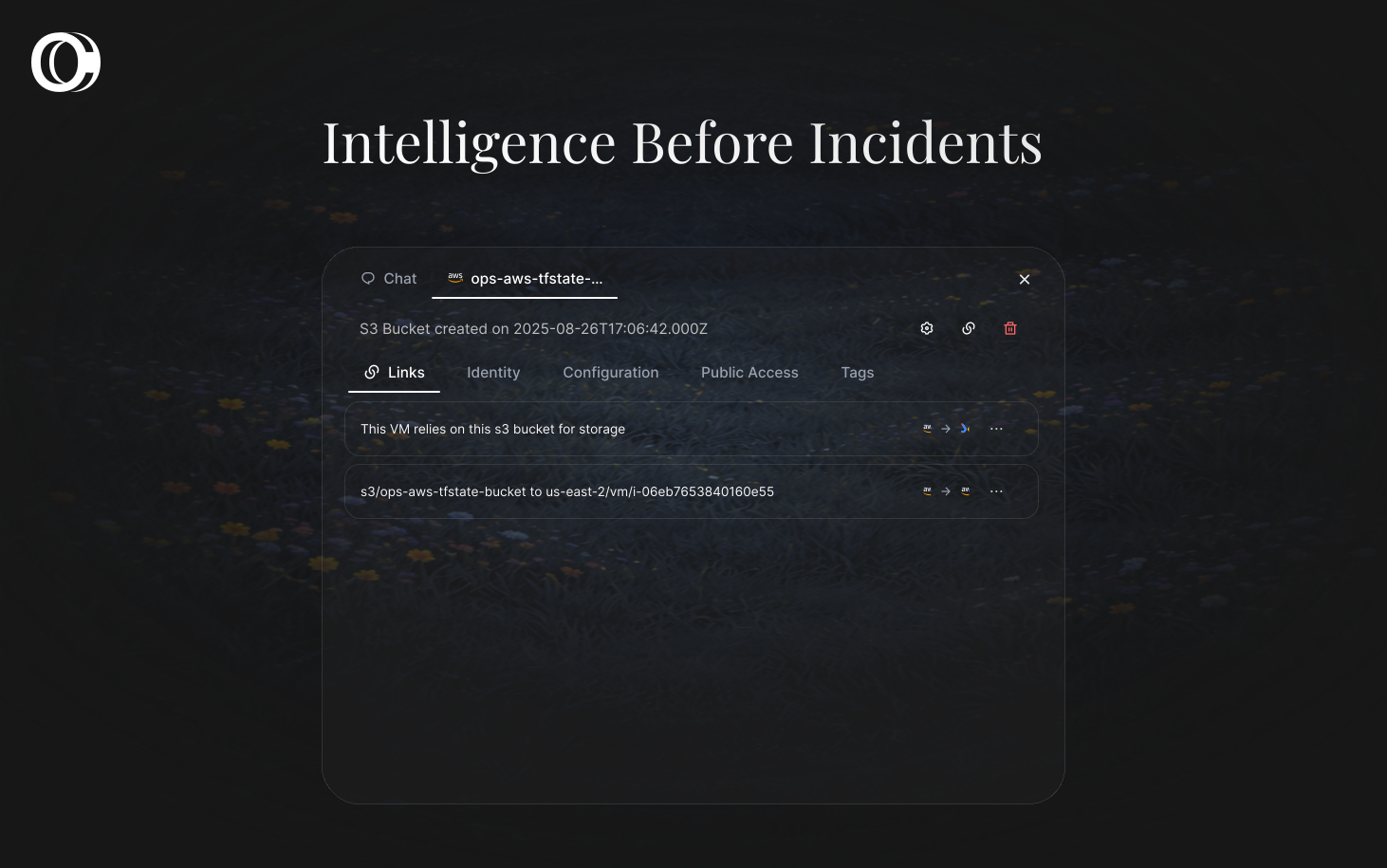
- Map your ambient infrastructure. This is the live connected picture of your stack: resources, relationships, changes, and AI agent activity across everything your app depends on.
- Investigate with AI that understands your environment. Trace changes, analyze root causes, and see downstream impact before and after deploys.
- Operate with more control. Track coding agent performance, manage spend, keep context aligned across teams, and power systems that can fix issues with full infrastructure context.
Each integration uses read-only access. OpsCompanion observes your systems without modifying them.
Operational Memory
OpsCompanion builds persistent operational memory: what changed, why it changed, how incidents were resolved, how your infrastructure is connected, and what your agents have been doing. That context stays searchable, shared across teams, and usable by the AI systems operating in your environment.
Use Cases
- Incident investigation - Follow connections and changes to find root causes faster
- Change impact - Understand what a code or infra change touches before it ships
- Self-healing systems - Use ambient infrastructure context so apps and agents can take safer corrective action
- Agent operations - Track coding agent performance, spend, and activity across teams
- Cost analysis - Understand where cloud spend is going, catch waste early, and find optimization opportunities
- Performance and reliability - Spot fragile dependencies, investigate regressions, and improve how systems behave in production
- Shared context - Keep infrastructure knowledge accessible across people and agents
What Makes It Different
Most reliability tools show you what is happening. OpsCompanion actions on it.
It connects infra, changes, incidents, and agent activity into one operational context layer so you can investigate faster, control spend, manage team knowledge, and enable apps and agents to act with the full context needed to safely fix problems.
Next Steps
- Quick Start - Get connected in minutes